

• Appointments
  • Contact Us
  • Become A Member
  • Business

Fraud Alert: Diamond has been made aware of fraudulent texts and calls claiming to be Diamond or Diamond’s Fraud Team. Please do not share sensitive information, including logins or passwords – Diamond will never ask for this info. If in doubt, contact us directly at 610.326.5490.

That's Younity.
Digital Banking Login
Forgot Username? Forgot Password? Unlock Account Not signed up? Enroll Now
  • Personal
    • Checking Accounts
    • VISA® Debit
    • VISA® Credit
    • Teen Debit Account
    • Savings Accounts
      • Money Market Accounts
      • Health Savings Accounts
      • Share Certificates
      • IRA
    • Mobile & Online Banking
    • Branches, ATMs & Appointments
    • Insurance
    • HERO Financial Counseling
  • Loans & Credit
    • Vehicle Loans
      • Auto Buyer’s Guide
      • Shop Enterprise Car Sales
    • Personal Loans
      • Personal Loans and Line of Credit
      • Credit Builder Loan
    • VISA® Credit
    • Smart Option Student Loan®
    • Rates
    • Pay Loans Online
    • Credit & Financial Review
  • Home & Mortgage
    • Home Equity Loans
    • Mortgage Team
    • Mortgage Guide & Apply
    • Rates
    • First-Time Homebuyer 101
    • Pay Your Mortgage
  • Financial Planning
    • Team & Appointments
    • Client Login
    • DFP Website
    • Guided Wealth Portfolios
  • About Us
    • Younity
    • Eligibility
    • ATM & Branch Locations
    • Careers & Internships
    • Annual Reports & Board Election
    • Community Involvement
      • News
      • Scholarships
      • Golf Tournament
      • Charitable Foundation
      • Holidays & Events
    • Mystery Shoppers
    • Contact Us
  • Learn
    • Blog
    • Diamond Youniversity
    • Zogo Educational App
  • Tools & Resources
    • Calculators
    • Account Management Tools
    • FAQs
    • Transfer Funds
    • Financial Safety & Security
That's Younity.
Digital Banking Login
Forgot Username? Forgot Password? Unlock Account Not signed up? Enroll Now
  • Personal
    • Checking Accounts
    • VISA® Debit
    • VISA® Credit
    • Teen Debit Account
    • Savings Accounts
      • Money Market Accounts
      • Health Savings Accounts
      • Share Certificates
      • IRA
    • Mobile & Online Banking
    • Branches, ATMs & Appointments
    • Insurance
    • HERO Financial Counseling
  • Loans & Credit
    • Vehicle Loans
      • Auto Buyer’s Guide
      • Shop Enterprise Car Sales
    • Personal Loans
      • Personal Loans and Line of Credit
      • Credit Builder Loan
    • VISA® Credit
    • Smart Option Student Loan®
    • Rates
    • Pay Loans Online
    • Credit & Financial Review
  • Home & Mortgage
    • Home Equity Loans
    • Mortgage Team
    • Mortgage Guide & Apply
    • Rates
    • First-Time Homebuyer 101
    • Pay Your Mortgage
  • Financial Planning
    • Team & Appointments
    • Client Login
    • DFP Website
    • Guided Wealth Portfolios
  • About Us
    • Younity
    • Eligibility
    • ATM & Branch Locations
    • Careers & Internships
    • Annual Reports & Board Election
    • Community Involvement
      • News
      • Scholarships
      • Golf Tournament
      • Charitable Foundation
      • Holidays & Events
    • Mystery Shoppers
    • Contact Us
  • Learn
    • Blog
    • Diamond Youniversity
    • Zogo Educational App
  • Tools & Resources
    • Calculators
    • Account Management Tools
    • FAQs
    • Transfer Funds
    • Financial Safety & Security
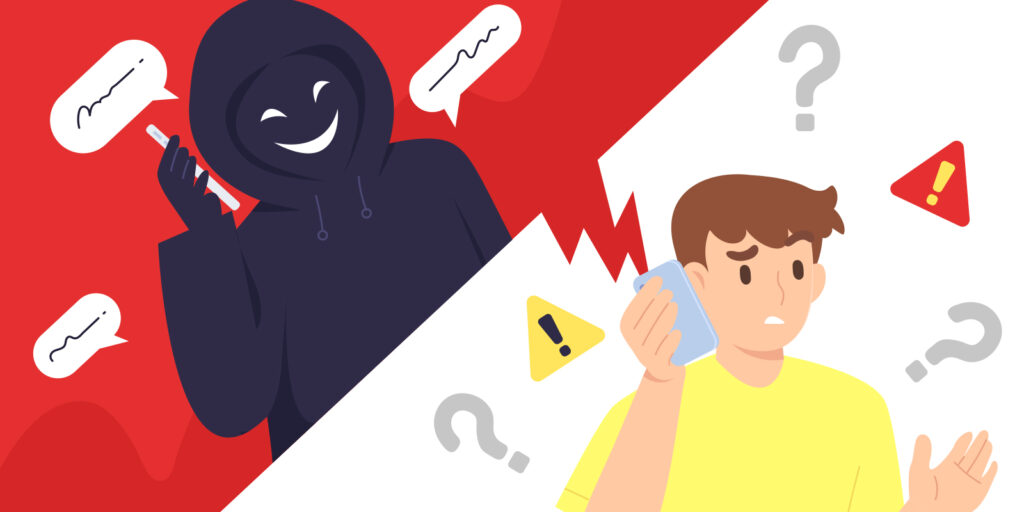
Caller ID Spoofing. Scammer calling credit union member.

Caller ID Spoofing: Your Financial Institution is Calling. Or Is It?

Index

  • Understanding Caller ID Spoofing
  • Key Take Aways:
  • Other useful tips:

Classic caller ID spoofing is when… the phone rings. The number looks familiar, maybe even your financial institution’s official number that you see on the back of your payment card, for example. On the other end of the line, a calm voice warns of “fraud” on your account and urges immediate action. According to FBI alerts, that’s exactly the trap.

Understanding Caller ID Spoofing

This scam hinges on caller ID spoofing, where criminals manipulate phone numbers so calls appear legitimate. Victims are told their accounts are compromised and are “helpfully” guided step-by-step to secure their money. In reality, they’re being coached to hand it over or reveal sensitive details like passwords, PINs, or verification codes.  

The tactic works because it blends urgency with authority. Scammers may (likely do) already have bits of your personal data, making the call feel authentic. After all, our data is compromised more than we’d like these days. And the criminals know that once trust is established, they can pivot quickly, often convincing victims to transfer funds or grant account access. Losses can reach tens of thousands in the blink of an eye.

The FBI’s advice is blunt and effective: hang up. Employees at financial institutions don’t ask for full credentials or demand immediate transfers over the phone. If something feels off, take a minute to breathe. Then call the organization directly using the number on your card or their official website, not the one that is showing on your caller ID.  

Key Take Aways:

  • Never trust caller ID alone. Scammers can spoof legitimate bank phone numbers, including the number on the back of your debit card.
  • Hang up and call back yourself. If someone claims to be from your bank, end the call and dial the official number directly from your banking app or card.
  • Never move money to a “safe” account. Legitimate banks and the FBI never ask you to transfer money through Zelle, wire transfers, crypto, or gift cards to “protect” your funds.
  • Don’t share verification codes or passwords. Fraudsters often try to steal one-time passcodes to take over accounts in real time.
  • Watch for pressure tactics. Scammers often create fake emergencies involving fraud alerts, account freezes, or criminal investigations.

Other useful tips:

  • Set up multi-factor authentication on your accounts. If you have a choice, pick the option to use a code generator app or to use a key fob with a random number. Most financial institutions give the option to receive a one time-code, which is better than nothing.
  • Pay attention to any URL addresses to ensure they are legitimate. Look for misspelled names and the use of numbers or special characters in place of letters.
  • Don’t click links or attachments that come unsolicited or from unknown senders. If you are suspicious at all, contact the sender with details you find using independent method, such as looking up the phone number yourself.

In caller ID spoofing, the voice may sound official, but the playbook is pure deception. Trust your gut. It’s trying to tell you something. For more financial education and security tips, check out our free cybersecurity resources.

Index

  • Understanding Caller ID Spoofing
  • Key Take Aways:
  • Other useful tips:

Notice

You are leaving Diamond Credit Union website. Clicking proceed will take you to a website that Diamond may not be affiliated with and may not represent the views of the credit union.

That's Younity.
  • About Us
  • ATM & Branches Locations
  • FAQs
  • Contact Us
  • Card Emergencies
Disclaimer for being federally insured through NCUA.
A logo for equal housing opportunity.

Equal Housing Opportunity.

Your savings federally insured to at least $250,000 and backed by the full faith and credit of the United States Government by the National Credit Union Association, a US Government Agency.

Local Phone Number: 610-326-5490
Toll Free Phone Number: 800-593-1000
Routing Number: 231385154
  • Third Party Notice
  • Privacy Policy
  • Sitemap
  • Browser Compatibility