

The Cost of Building vs. Buying a House in Pennsylvania
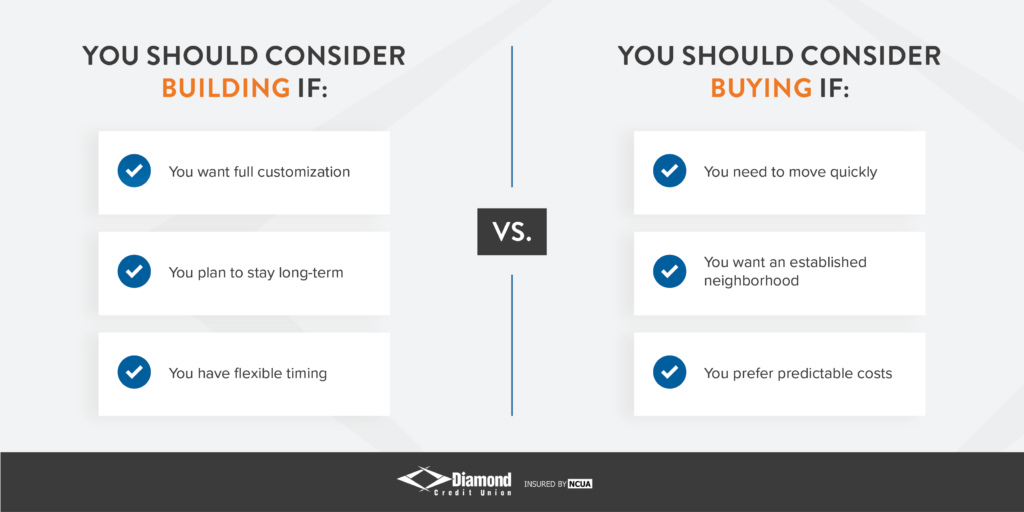
When you’re looking to move out of your current home, the search for a new one usually starts with a choice between convenience and customization. The building vs. buying a house dilemma often comes down to your home buying timeline and taste. Are you looking for the character of an established neighborhood and a quick 45-day closing? Or do you dream of a blank canvas where you select every design element from the start?
Both options have their advantages. However, as the market shifts in Pennsylvania, many homeowners find themselves weighing the upfront home construction cost against long-term benefits to see which option works best for them.
What You Need to Consider When Building vs. Buying a House
According to Zillow, the median listing price for homes in the Pottstown area is $314,000. Additionally, the national median price of building a single-family home is $323,000. When you break it down, the cost per square foot to build a house averages around $166. Because newer homes tend to be larger, you can get more home for the price. When you look at the cost of a new home in these terms, there may not be a huge cost advantage to buying or building.
Beyond the price per square foot, there are additional costs you need to factor in when determining the cost of building a house vs. buying a house. These include:
Maintenance
One of the most significant factors is the home maintenance cost. When you buy an existing home, you are inheriting the history of its appliances and systems; the roof, HVAC, electrical, and plumbing have likely endured years of stress, often leaving you just one season away from a major repair bill. By contrast, one of the benefits of building a custom home is that you may be able to go 15-20 years before you need to make any major repairs.
However, that lack of indoor maintenance is often offset by immediate outdoor needs. While an older home usually comes with mature landscaping, a new build starts as a blank slate of dirt, requiring a significant investment in sod, irrigation, and trees to create curb appeal.
Energy Efficiency
The energy efficiency of new homes versus older builds is a big factor to consider. New homes are constructed under stricter energy codes, featuring superior R-value insulation and Low-E glass windows that block infrared light. This doesn’t just lower your carbon footprint—it eliminates cold spots and uneven temperatures common in older houses.
In an existing home, you may find yourself constantly adjusting the thermostat or investing in expensive retrofits just to keep pace with modern efficiency standards. With a new build, that efficiency is there from day one, helping you save hundreds of dollars each year in energy bills.
Appreciation
With an existing home, you can see the price history of your home and other homes in the area to see how home prices increased or decreased over time. This will give you a good idea of the eventual resale price of the home.
With new homes, especially those in newer neighborhoods, there is no history of property values to reference. Without that track record to reference, you’re essentially an early investor in the area. While this lacks the security of historical data, it also offers the potential for significant appreciation as the neighborhood matures and amenities are added.
The Cost of Upgrading an Older Home
As mentioned above, maintenance and repair costs will be higher when you purchase an existing home, especially if the home is over ten years old. The American Society of Home Inspectors has determined that the average home needs a 50% replacement over a period of 30 years.
These are some of the major repairs you may need to make (sooner rather than later) when you purchase an older home. The national average costs for these common areas are:
- New Roof: $8,000–$15,000
- Full HVAC System (Furnace + AC): $11,500–$14,000
- New Windows: $600–$1,200 per window
- Exterior Painting: $3,000–$6,000
- Water Heater: $1,200–$2,000
- Sewer Line Repair: $2,500–$7,000
The Hidden Costs of Building a House
While renovations can go over budget, so can new builds. Even with a fixed price from a developer, there are “invisible” expenses to track. If you’re asking, “how much does it cost to build a house?” make sure you’ve included these:
- Materials: These typically account for 60% of your total cost. While a ranch-style home is often the least expensive house to build, your choice of finishes, like quartz vs. laminate, can increase the price.
- Site Prep: Before a contractor can start, you may need to pay for tree removal, demolition, or land grading to ensure proper drainage.
- Utility Connections: Fees for hooking up electric, water, sewer, or gas lines are often separate from the build price.
- Permits and Fees: Determining how much to build a house in PA specifically, your local permit fees can start at $150 and climb significantly based on your county’s infrastructure impact fees.
The Final Verdict on Building vs. Buying a House
Ultimately, the choice between building vs. buying a house is about how you want to spend your time and money over the next decade. In Pennsylvania’s current 2026 market, both paths offer a way to build real equity.
“There are both advantages and disadvantages to either buying an existing home or building a new home,” DCU’s Senior Mortgage Originator, Brenna Eshbach said. “Make sure to do your research so that you make the decision that is best for you and your family.”
If you have more questions about mortgage lending, reach out to our team of mortgage experts.